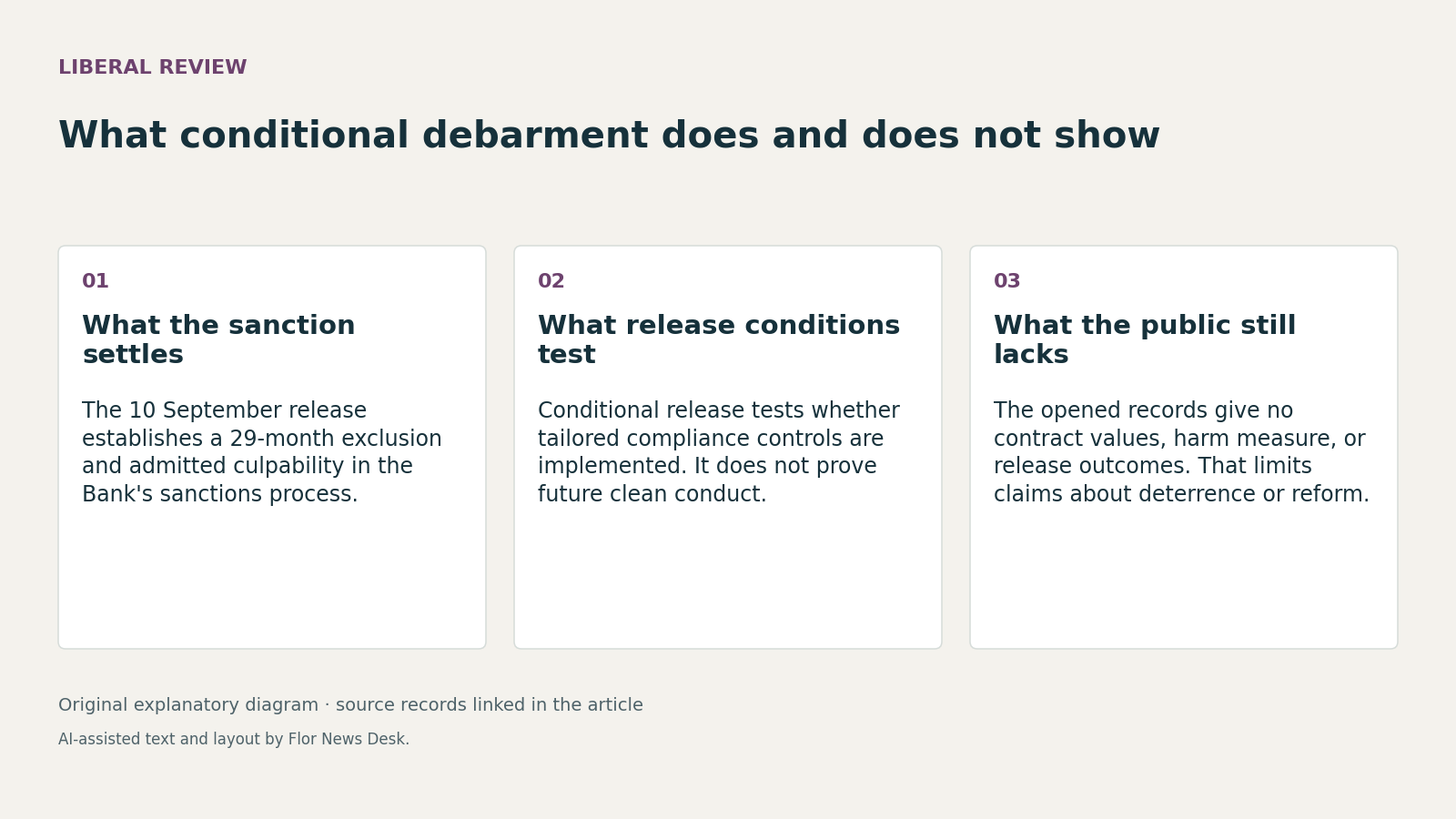
The World Bank Group's 10 September 2026 settlement with African Consulting Surveyors shows what conditional debarment can clearly do: bar a contractor from new Bank-financed work. What it cannot yet show in public is whether compliance conditions will produce lasting reform.
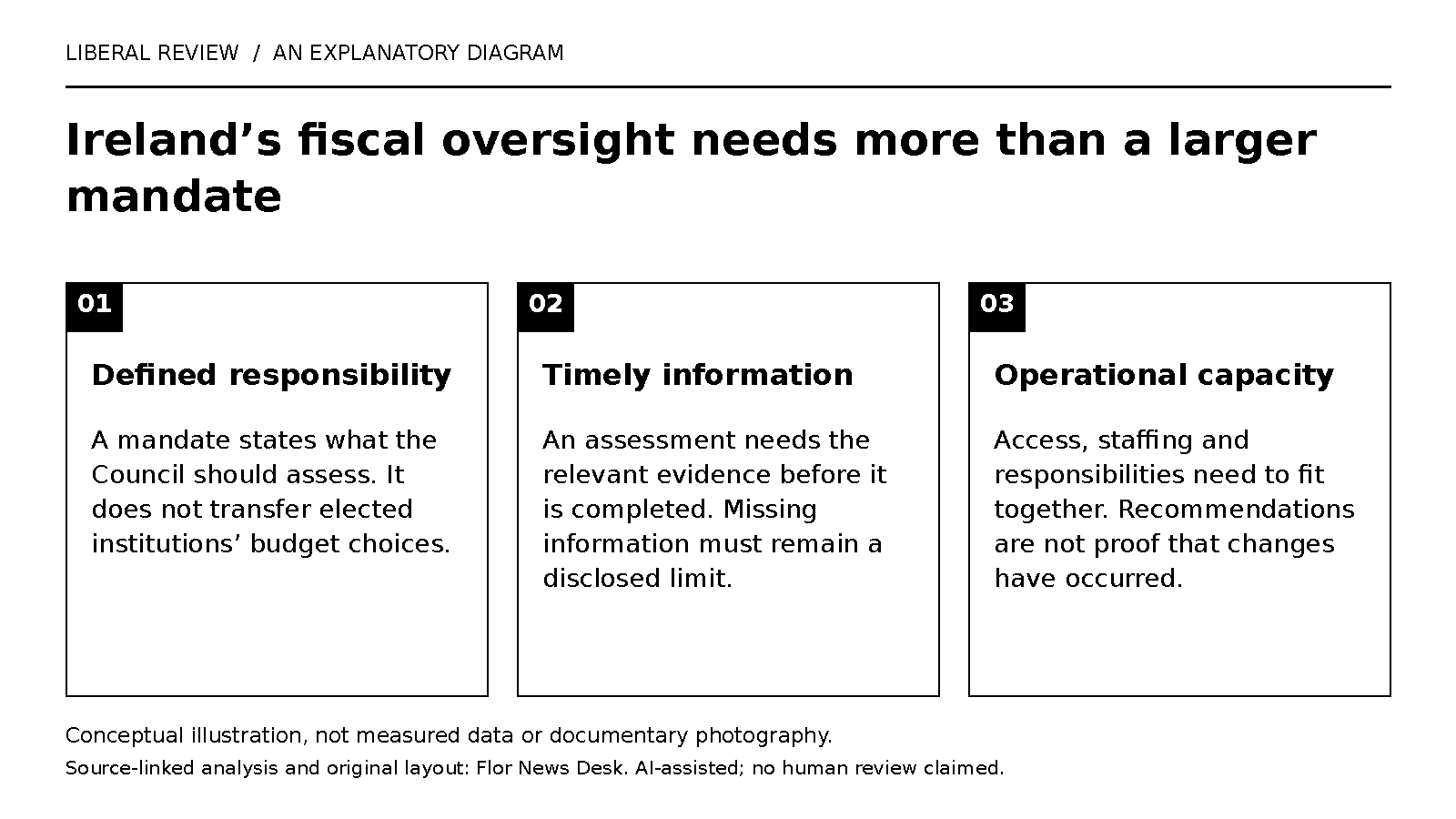
An OECD review connects effective scrutiny to access to spending information and operational independence, not merely to the assignment of more duties.
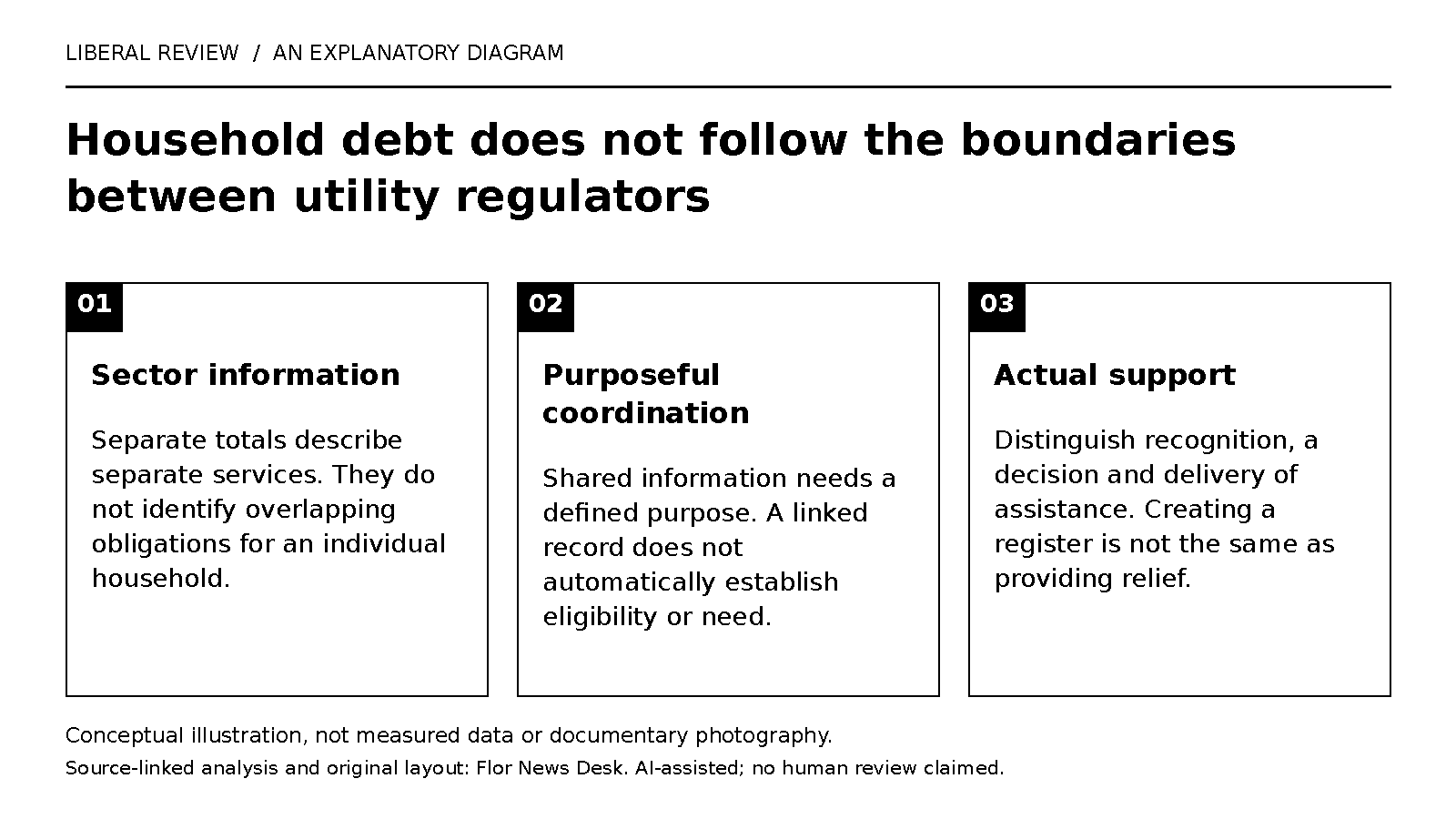
A parliamentary inquiry questions the absence of a comprehensive cross-sector view. Seeing combined obligations and providing effective support remain separate tasks.
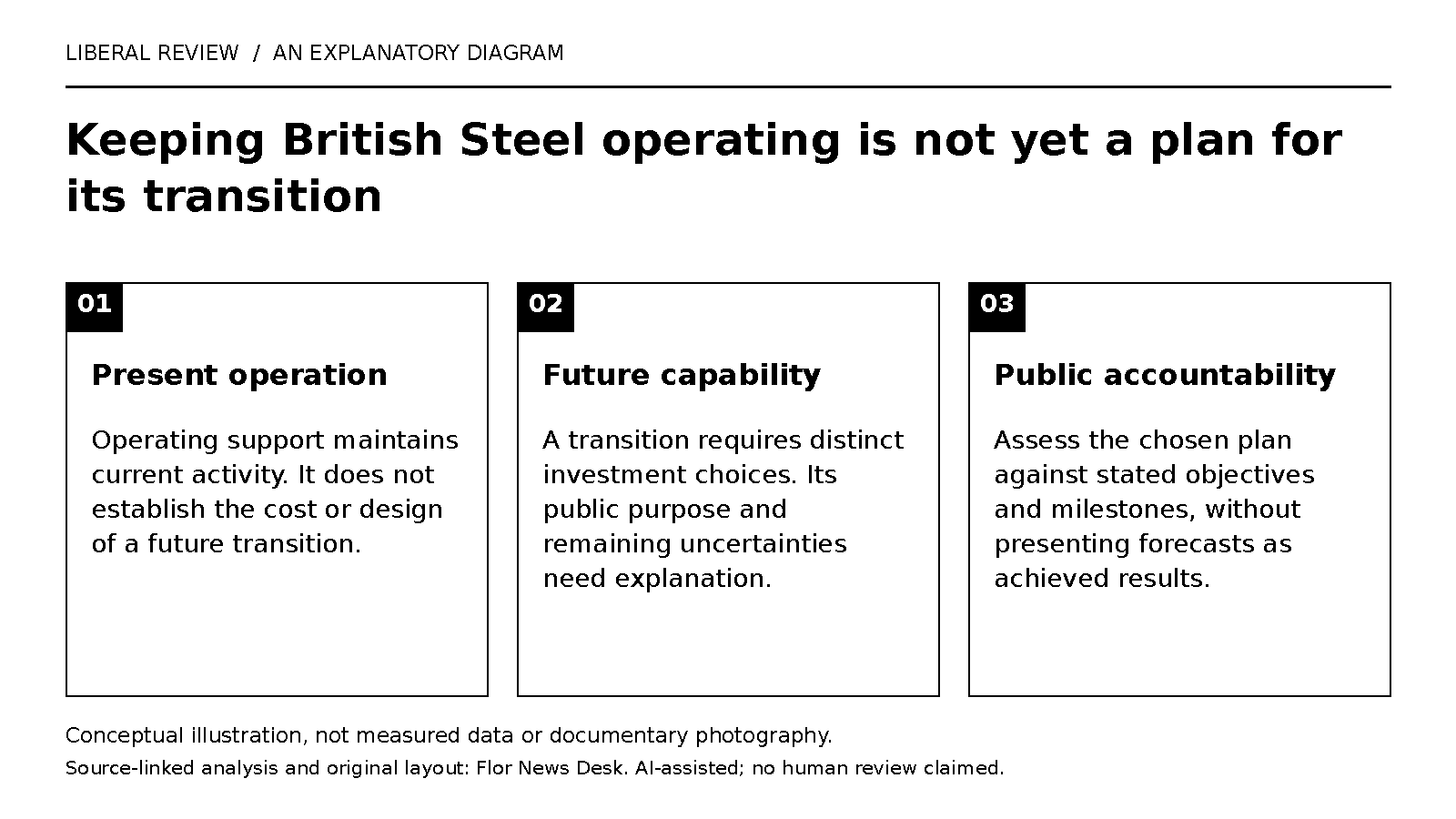
Parliament’s September scrutiny separates the case for preserving steelmaking from the decisions needed to explain its long-term public purpose and cost.
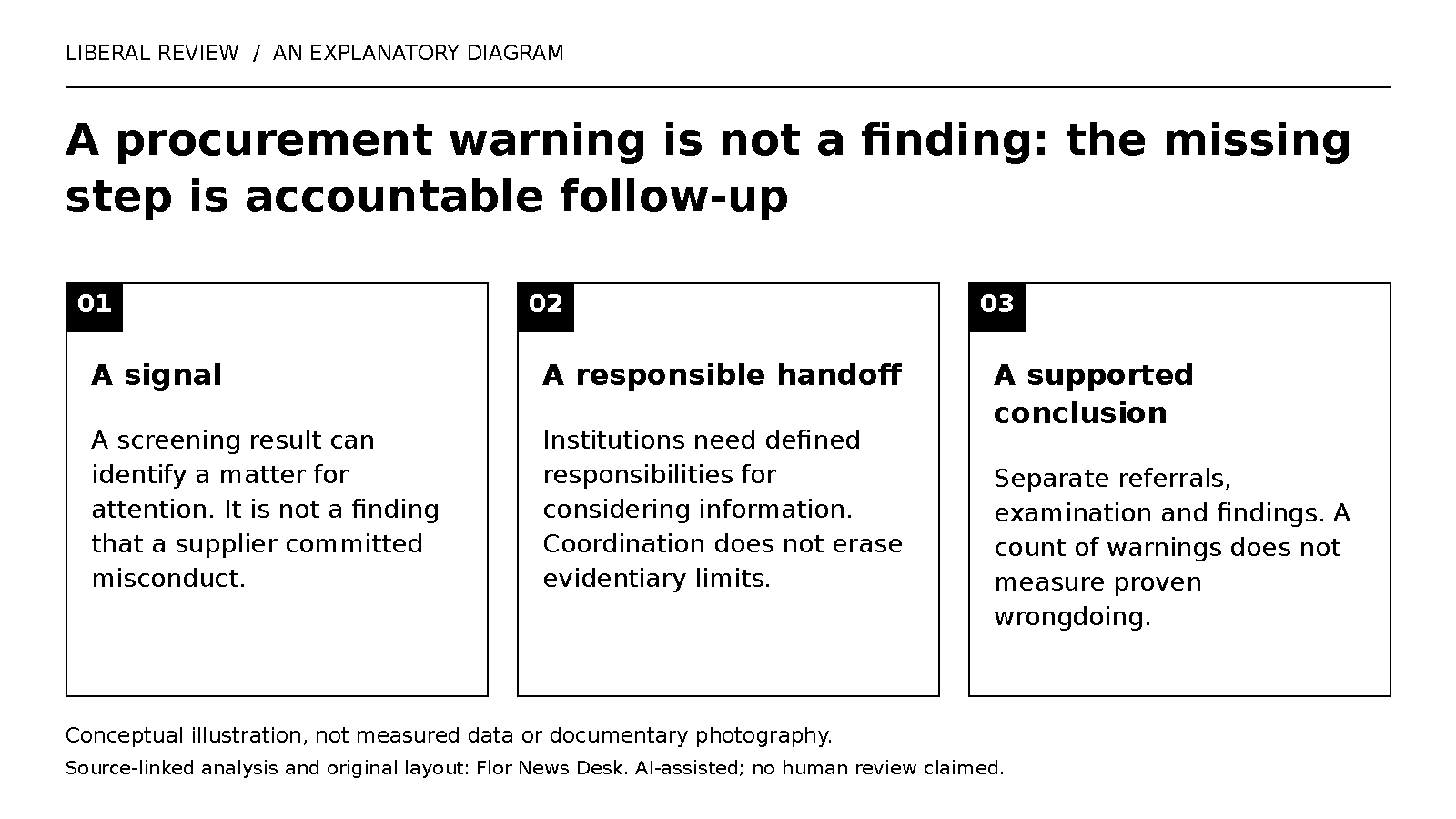
OECD work on competition and integrity puts institutional coordination alongside data tools. Detecting a possible problem and establishing misconduct remain different tasks.
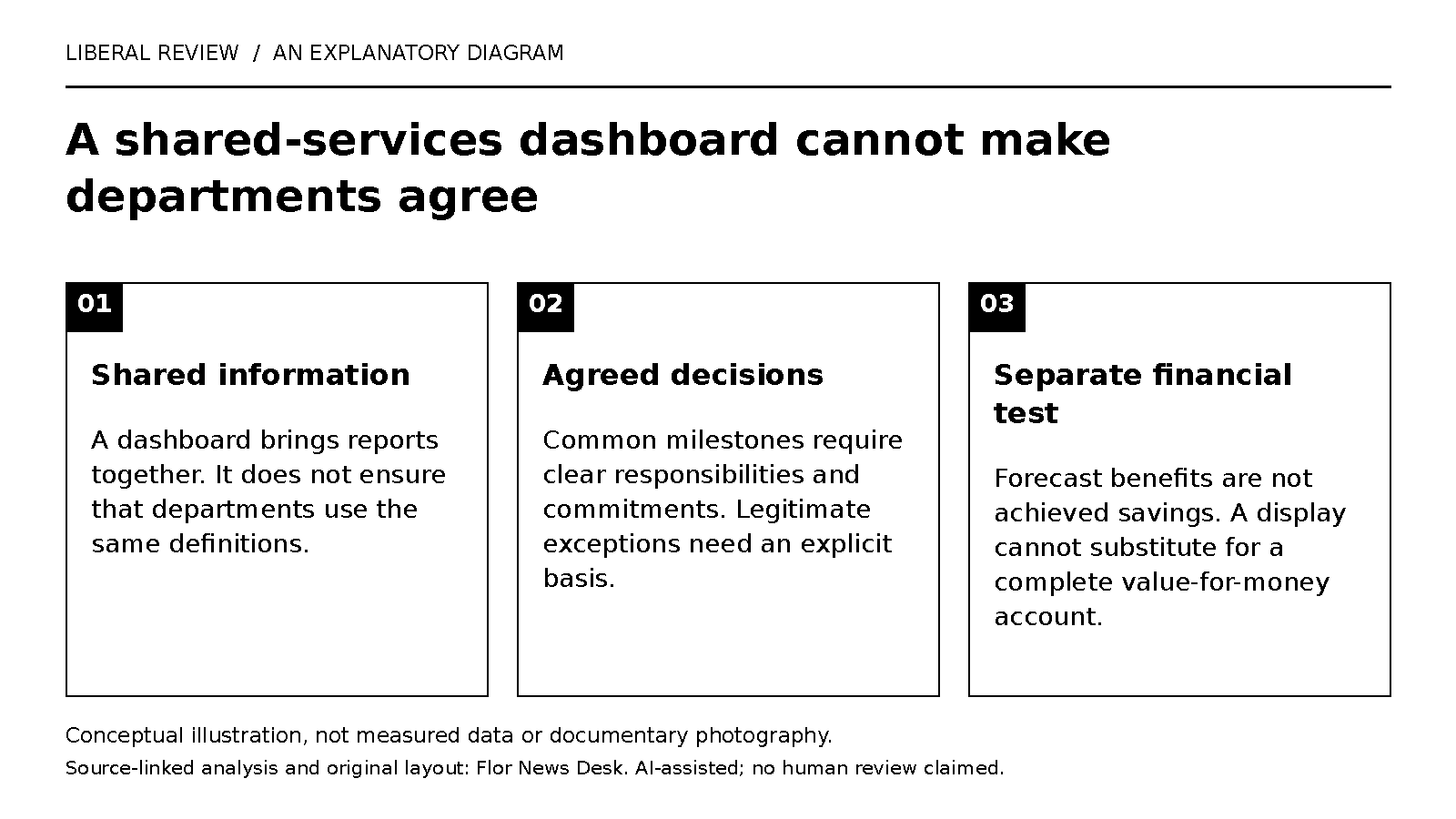
Parliament’s July review of government back-office reform highlights the difference between seeing delivery information and having clear authority over shared decisions.
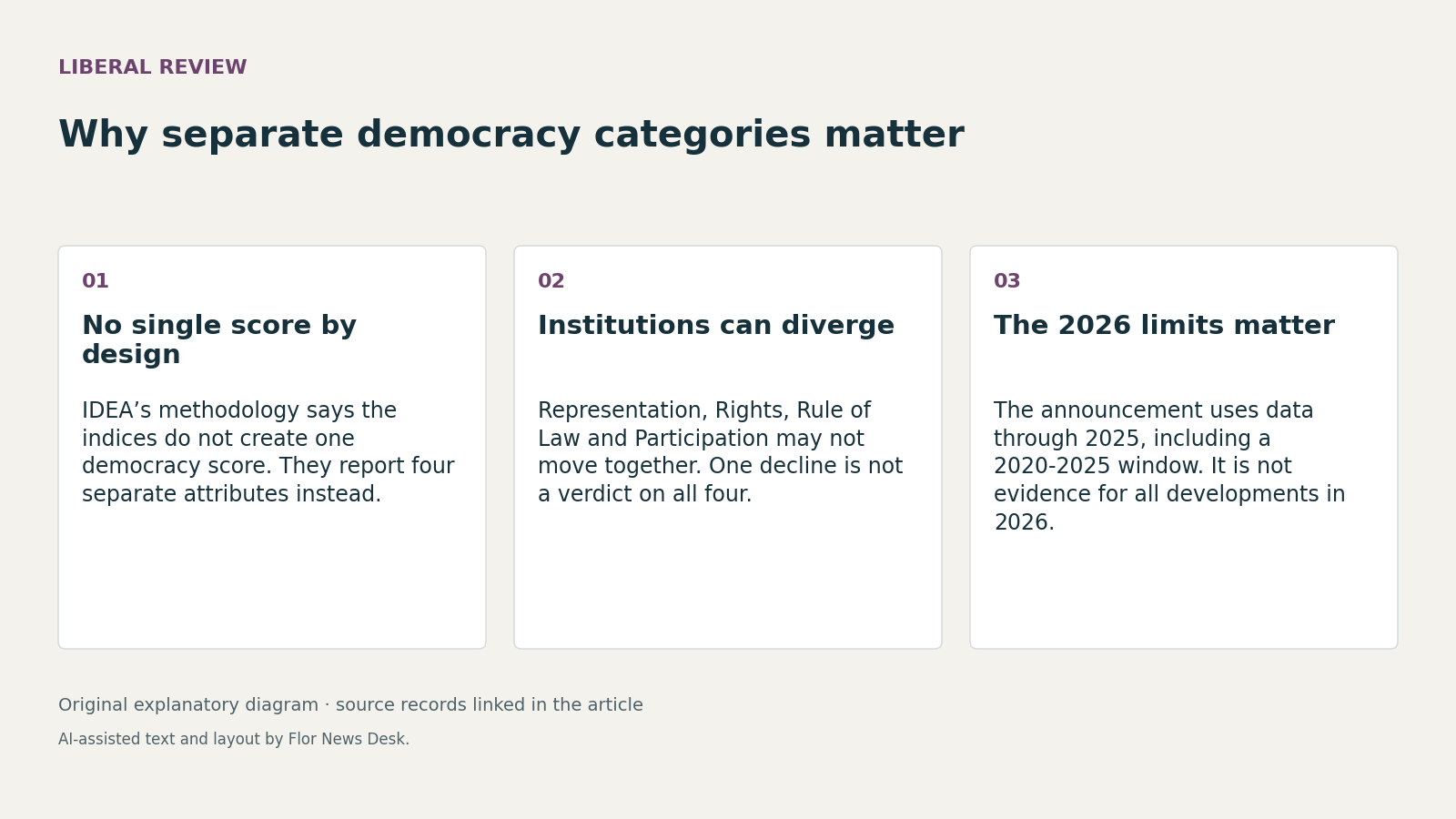
International IDEA’s 2026 democracy report is easiest to misread when turned into a single verdict on whole countries. Its methodology is more interesting, and more disciplined, because it keeps institutions in separate categories that can move in different directions.