UK Edition Policy
Liberal Review
Sewage, rivers and water regulation
Policy

Clean Water

If you want sewage, rivers and water regulation explained with clarity and political context, Liberal Review keeps the focus on the decisions, trade-offs and institutions behind the daily line. It is built for readers following rivers, sewage, regulation and the wider argument about environmental accountability, with reporting and analysis that stay close to what people will feel in daily life rather than drifting into abstract Westminster theatre.

  • Reporting and commentary that stay tied to delivery, not just messaging.
  • Links into the adjacent debates, comparisons and newsletters that sharpen the bigger picture.
  • A liberal lens on power, fairness, institutional competence and individual dignity.
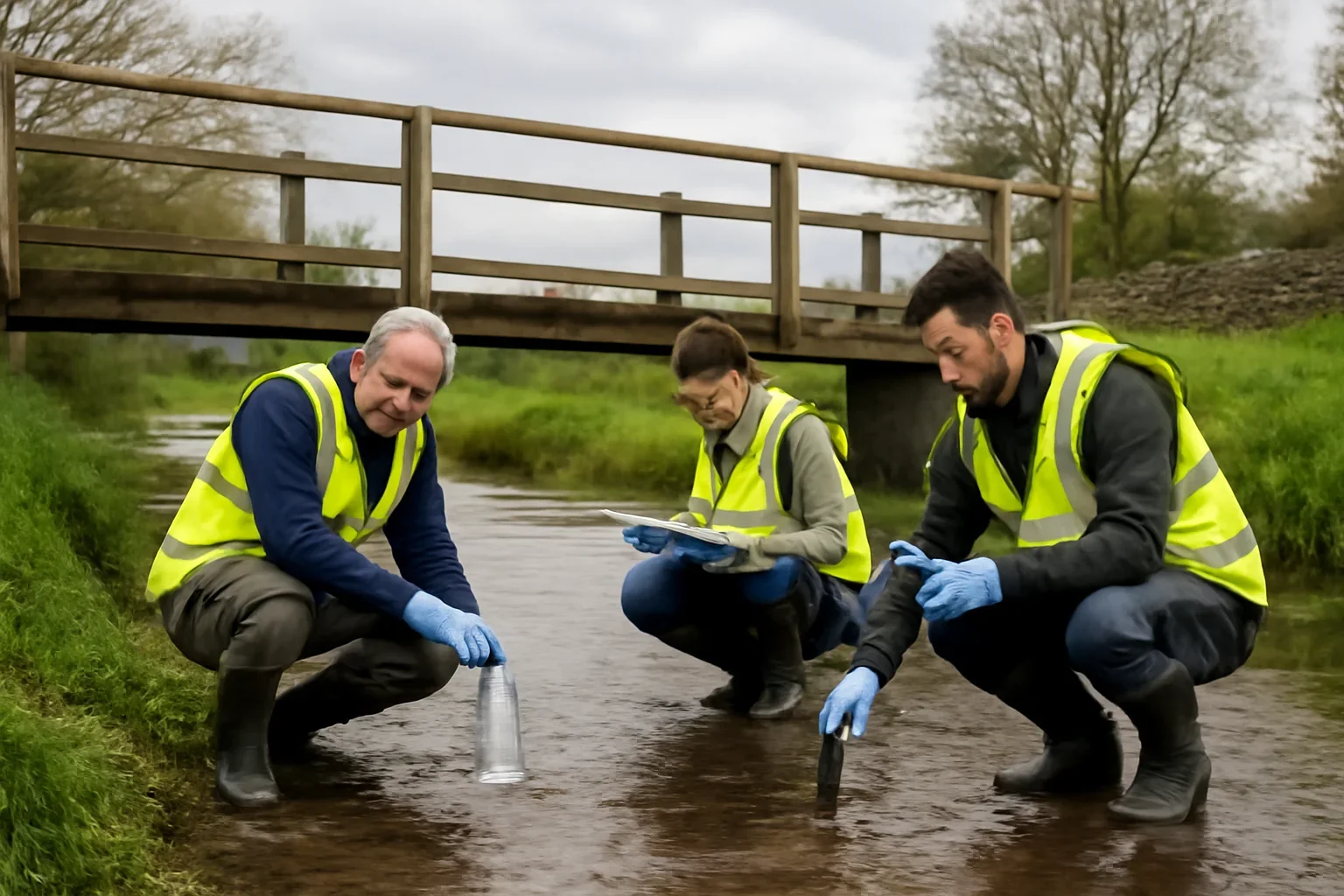
Volunteers testing river water beside a footbridge in rural England
Sewage, rivers and water regulation

Pollution that became political

Once sewage discharges moved from technical reports into everyday conversation, water governance stopped being a niche story.

Riverbank sign warning about water quality near swimmers and kayaks

Who is responsible for cleaner rivers

We track regulators, company incentives, investment plans, local monitoring and the transparency needed for public trust.

Why this topic keeps moving

Clean water is a public health, environmental and governance issue that reaches utilities, regulators, farmers, swimmers and local communities.

Riverbank sign warning about water quality near swimmers and kayaks

Pollution that became political

Once sewage discharges moved from technical reports into everyday conversation, water governance stopped being a niche story.

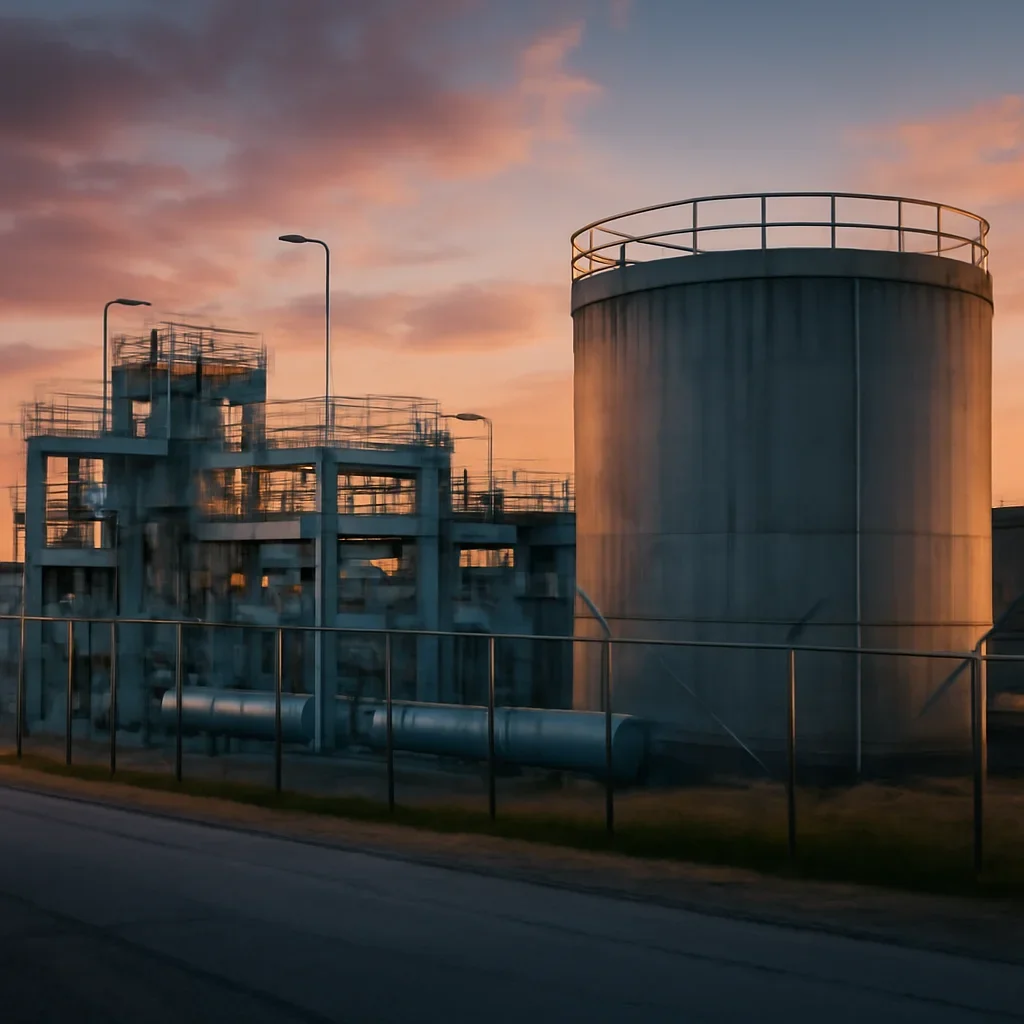
Water treatment facility viewed from outside with evening light, photography

Who is responsible for cleaner rivers

We track regulators, company incentives, investment plans, local monitoring and the transparency needed for public trust.

Wetland plants and clear stream water in natural daylight

What better stewardship looks like

A liberal approach pairs firm accountability with practical delivery so clean water becomes a standard rather than a seasonal promise.

How Liberal Review approaches Clean Water

Clean Water coverage works best when the issue is treated as more than a temporary row. We look at how incentives, money, legal design and administrative capacity shape what is possible and what is merely promised.

Follow the evidence, the politics and the public pressure shaping the future of clean water policy. The point is to give readers enough substance to judge competing claims without needing to decode insider shorthand first.

Along the way, we connect this topic to analysis, explainers, opinion and related issue hubs so the reading journey keeps widening rather than ending at one headline.

Stay close to the connected issues

Topics rarely sit alone. Housing meets transport, health meets local government, Europe meets trade, and democratic reform changes how every other promise is argued.

A practical reading checklist

Questions worth asking

Who benefits, who carries the risk, what needs to change institutionally and whether the promised reform would still work outside a speech line.

Signals to watch

Budget choices, legal wording, implementation timelines, local variation and the gap between headline ambition and administrative reality.

Why the liberal angle matters

It keeps individual freedom, fair access, pluralism and accountable institutions at the centre of the analysis.

Keep the argument connected

Follow the evidence, the politics and the public pressure shaping the future of clean water policy.

Readers who want fewer dead ends usually pair this page with Newsletters, Analysis and the wider Topics index.

Wetland plants and clear stream water in natural daylight

Next step

Start with the links on this page, choose the related hub that matters most to you and use the newsletter sign-up pages when you want the conversation delivered directly.